 Los Angeles Galaxy Hub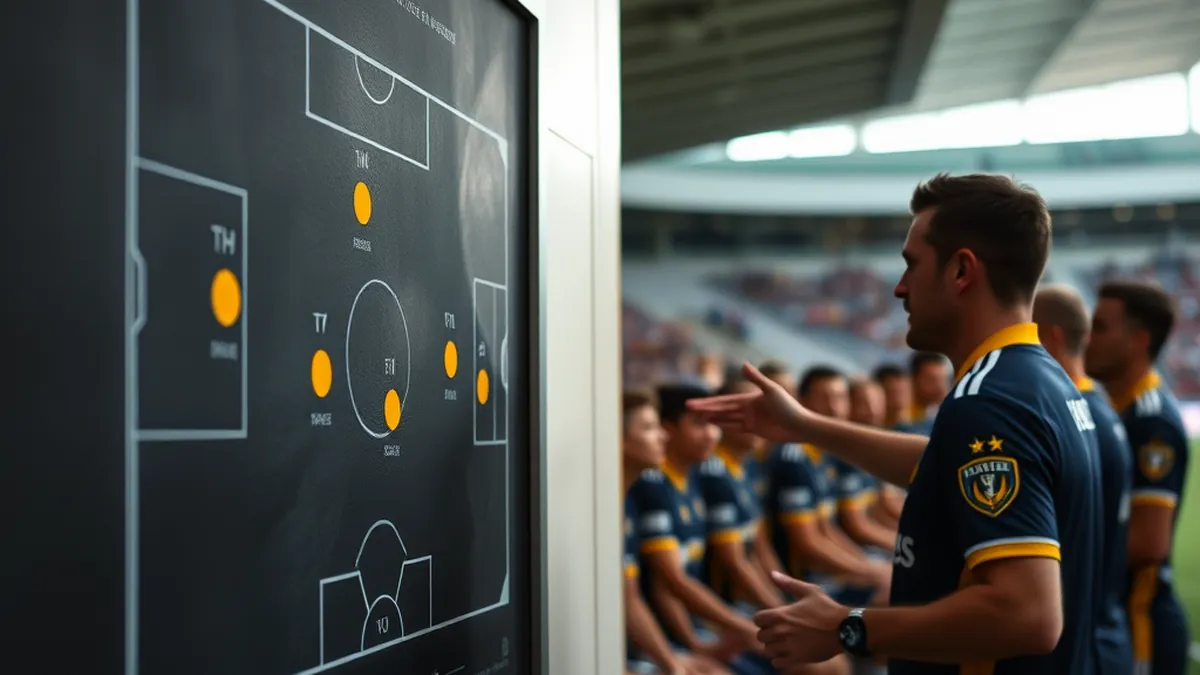
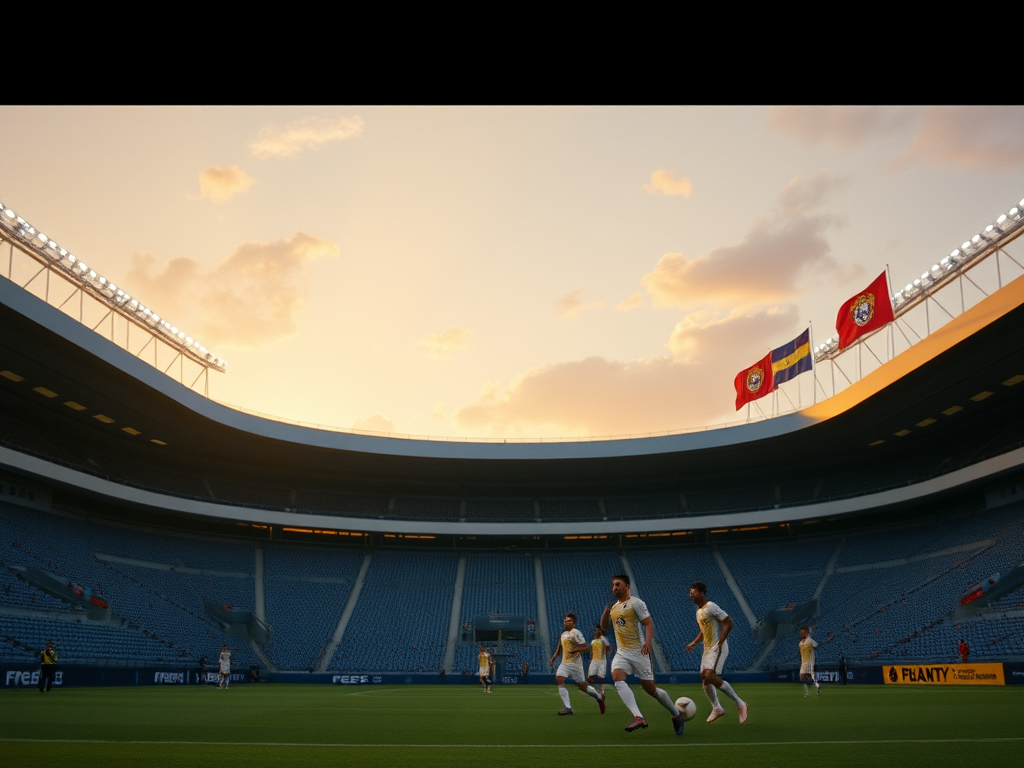
The Los Angeles Galaxy have faced a mixed bag of results in recent matches, leaving fans and analysts alike pondering the tactical decisions made by the coaching staff. While the team has certainly shown flashes of brilliance, inconsistencies have crept into their performances, particularly in the final third. In this analysis, we will explore the current tactical setup of the Galaxy and suggest tweaks that could enhance their effectiveness on the pitch.
Current Formation and Tactical Setup
The Galaxy have primarily utilized a 4-2-3-1 formation this season, which has allowed them to maintain a solid defensive structure while also providing attacking options. The double pivot in midfield has been crucial in shielding the backline and facilitating transitions, but it has also led to a reliance on the creativity of the attacking midfielders to break down opposition defenses. Despite possessing talented players in key positions, the Galaxy's attacking play has often been stagnant, resulting in a lack of penetration and goal-scoring opportunities.
Suggested Tactical Tweaks
1. Adjusting the Midfield Triangle: One of the key areas where the Galaxy can improve is the positioning and interplay within the midfield. By implementing a more dynamic triangle, with one of the central midfielders pushing higher to link up with the forwards, the Galaxy can create more space and options in the attacking third. This would not only provide additional support for the strikers but also stretch the opposition's defense, opening up avenues for through balls and quick combination play.
2. Wider Play from the Wingers: While the Galaxy's wingers have shown moments of brilliance, they have often drifted inside, leading to congestion in the middle of the pitch. Encouraging the wide players to maintain their width can stretch the defenses they face, allowing for more effective crossing opportunities and one-on-one situations. This approach can also create gaps for the attacking midfielders to exploit, leading to a more fluid attacking movement.
3. Incorporating a Second Striker: Another tactical adjustment to consider is the introduction of a second striker in certain matches. This could take the form of a 4-4-2 or a 3-5-2 formation, allowing for more direct attacking play. By having two forwards on the pitch, the Galaxy can increase their goal threat and create more opportunities for combination play between the strikers, as well as with the midfielders.
4. Pressing Scheme: The Galaxy's current pressing strategy could also benefit from a review. Implementing a more coordinated pressing scheme could help the team regain possession higher up the pitch, leading to quick attacking opportunities before the opposition can regroup. This would require greater communication and understanding among players, but the potential rewards in terms of goal-scoring chances could be significant.
Conclusion
In summary, while the LA Galaxy have the talent and potential to compete at the highest level, small tactical adjustments have the power to unlock their full capabilities. By refining their midfield dynamics, encouraging width in attack, considering a dual-striker setup, and enhancing their pressing game, the Galaxy can create a more cohesive and potent unit on the field. With the right tweaks, they can shift their current form and push for a stronger finish to the season, much to the delight of the fans in Carson.